The Complete Guide for First-Timers
First Trip to Southeast Asia
Ancient temples, tropical islands, buzzing night markets, and extraordinary food — all at a fraction of what you'd spend in Europe or North America.
Your Adventure Starts Here
Southeast Asia is one of the most rewarding regions in the world to travel. But if it's your first time, it can feel overwhelming. Where do you even start? Which countries? How long? Is it safe? What do you need to know before you go?
This guide covers everything. By the end of it, you'll have a clear picture of what to expect, where to go, and how to make the most of your first Southeast Asia adventure.
Why Southeast Asia
Why It Should Be Your Next Trip
Southeast Asia is genuinely one of the best travel destinations on the planet for first-timers. Here's why:
Incredibly Affordable
Eat a delicious bowl of pho in Hanoi for under $2, sleep in a comfortable guesthouse for $15–25 a night, and take a bus between cities for a few dollars.
Easy to Navigate
Tourist infrastructure is well developed, English is widely spoken in most traveler areas, and transport links between countries are solid.
World-Class Food
From Vietnamese street food to Thai curries, Singaporean hawker stalls to Balinese rice dishes — this is one of the great food regions of the world.
Incredibly Diverse
Go from a jungle trekking experience in northern Vietnam to a beach in Thailand in the same week. Temples, cities, islands, and jungles all in one trip.
Where to Go
Which Countries Should You Visit?
Southeast Asia covers 11 countries. For a first trip, most travelers focus on a handful. Here are the most beginner-friendly:

Vietnam
One of the most popular entry points for first-timers. The country stretches from the mountains of the north down to the beaches of the south, with extraordinary food at every stop. Hanoi in the north is a must — chaotic, full of life, and arguably the best street food city in the region.
Thailand
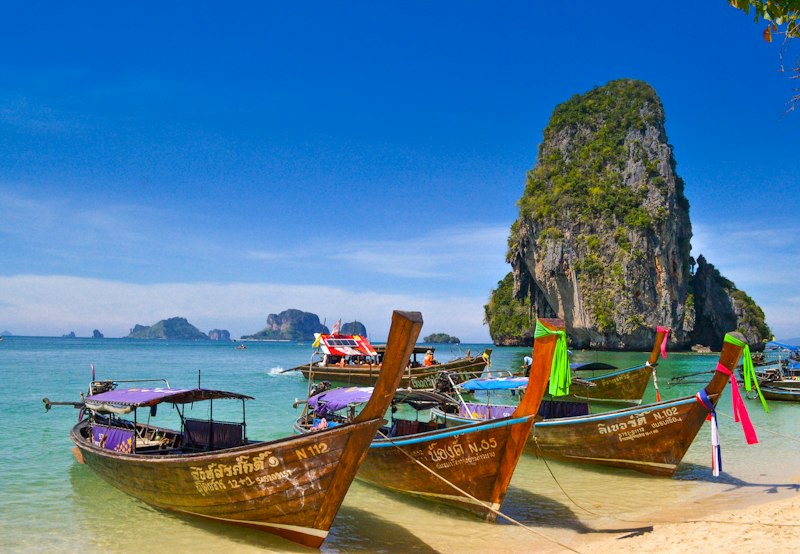
The most well-traveled country in the region, and it earned that reputation. Bangkok is a sensory overload in the best way, Chiang Mai is relaxed and culturally rich, and the islands in the south offer everything from backpacker party vibes to total seclusion.

Cambodia
Home to Angkor Wat — one of the most breathtaking archaeological sites on earth — Cambodia punches well above its weight. Siem Reap is the gateway, but Phnom Penh is a complex, fascinating capital worth a couple of days.
Indonesia
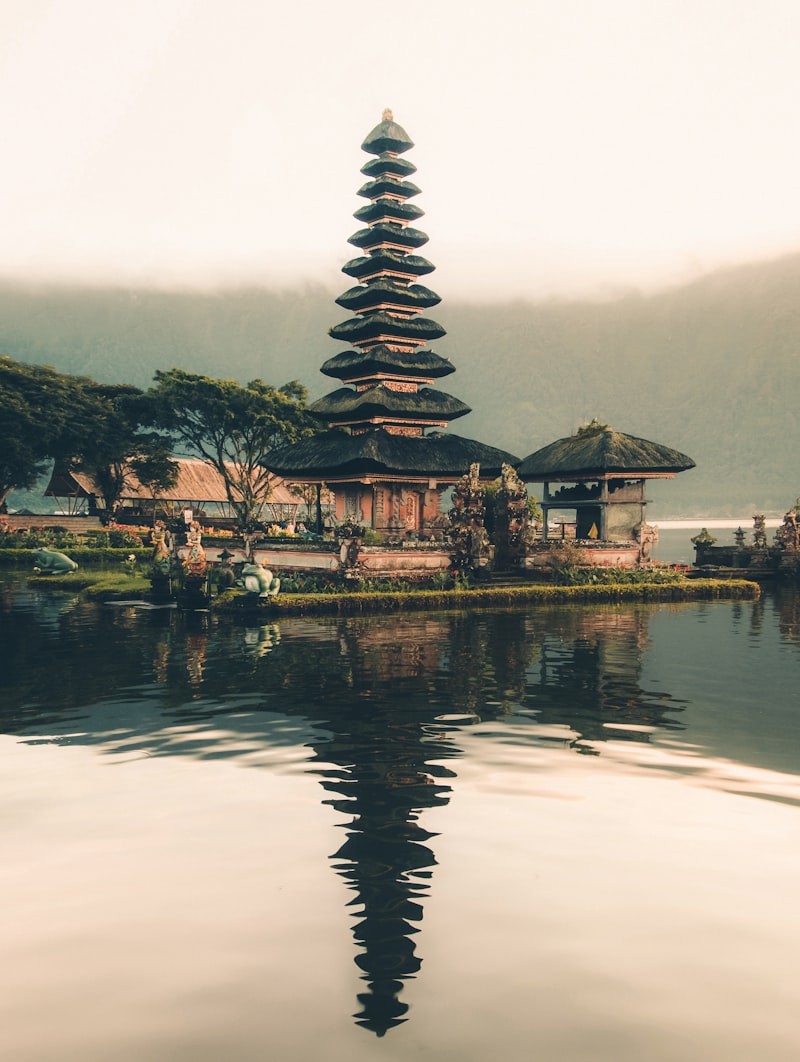
An archipelago of over 17,000 islands, so you won't see it all. Bali is the obvious entry point and still one of the most beautiful places in the world despite the crowds. Lombok and the Gili Islands are quieter alternatives.
Malaysia
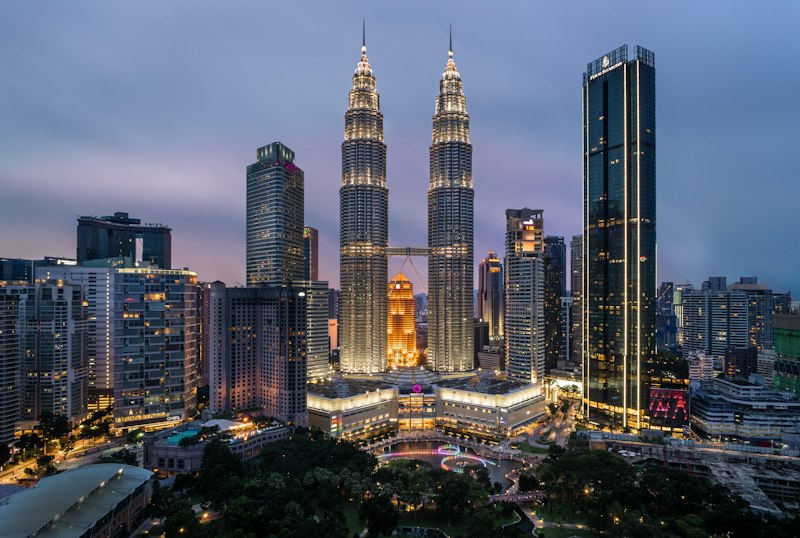
Often underrated, Malaysia offers an incredible mix of cultures — Malay, Chinese, and Indian — which shows up most clearly in the food. Penang is widely considered one of the best food destinations in all of Asia. Kuala Lumpur is a slick, modern city that's easy to navigate.
Planning
Best Time to Visit
The region is large, so "best time to go" depends on where you're heading. But here's a general overview:
November – February
Best Overall
Cool and dry across most of the region. Peak season.
March – May
Hot & Dry
Fine for most places but very warm.
June – October
Rainy Season
Still very travelable — just expect afternoon showers. Lower prices, fewer crowds.
For a first trip, November to February is the sweet spot. It's peak season, but prices are still reasonable compared to Western destinations, and the weather across Vietnam, Thailand, and Cambodia is excellent.
Duration
How Long Should You Spend?
It depends on your budget and available time, but here are some realistic timeframes:
2 Weeks
One or two countries
Vietnam top to bottom, or Thailand + Cambodia. Done properly.
3–4 Weeks
The classic backpacker route
Vietnam, Cambodia, Thailand. Or a deep dive into one country.
2+ Months
Slow travel across the region
Getting off the beaten path and truly experiencing the culture.
First-Timer Tip: Don't try to fit in too many countries. Spending more time in fewer places is almost always more rewarding than rushing between capitals.
Transport & Accommodation
Getting Around & Where to Stay
Between Countries
- Flights within Southeast Asia are very cheap — budget airlines like AirAsia, Vietjet, and Scoot connect most major cities for $20–80.
- Overland buses and trains are also popular, especially in Vietnam and between Thailand and neighboring countries. Slower but more scenic.
Within Countries
- Grab (the Southeast Asian Uber) works in Vietnam, Thailand, Malaysia, Cambodia, Indonesia
- Motorbike taxis are common everywhere
- Tuk-tuks in Thailand and Cambodia
- Local buses are cheap but slow
- Renting a scooter is popular in Bali and parts of Vietnam
Where to Stay
Hostels
$5–20/night
Great social scene, perfect for solo travelers
Guesthouses
$15–35/night
Private rooms, comfortable, great value
Boutique Hotels
$40–100/night
Often beautiful, especially in Vietnam and Bali
Luxury Resorts
$100+/night
Available everywhere, often comparable to Europe
Cuisine
The Food: What to Expect
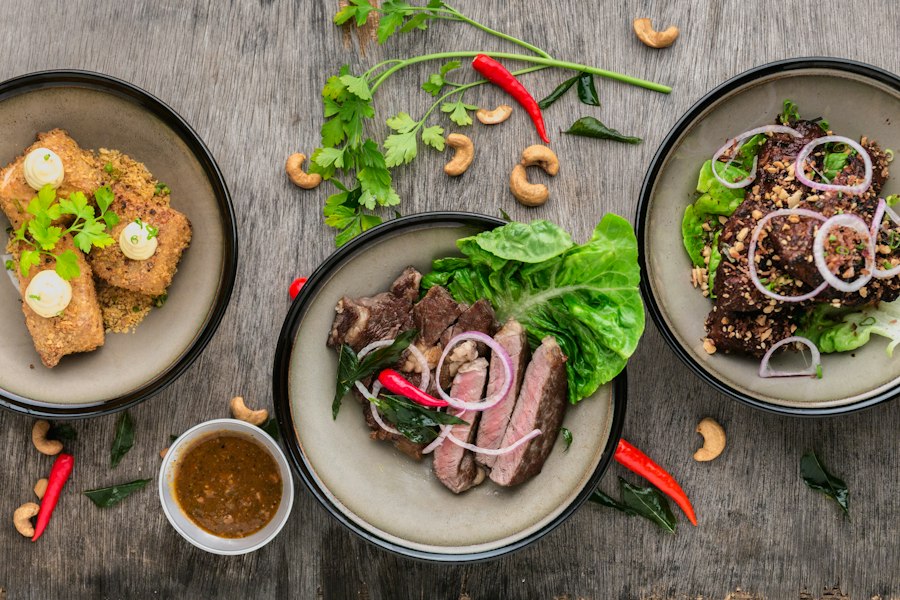
This is where Southeast Asia really earns its reputation. Street food is not a budget option — it's the best option.
Pro Tip
"The best food is almost never in a restaurant. Follow the locals to the street stalls, hawker markets, and small family-run spots with plastic stools and fluorescent lighting. That's where the magic is."
Vietnam
Pho bo, bun cha, banh mi, cha ca
White rose dumplings, cao lau noodles, banh mi
Banh xeo, hu tieu noodle soup, fresh spring rolls
Thailand
Pad thai, som tum, boat noodles, mango sticky rice
Khao soi — one of the greatest dishes in all of Asia
Malaysia / Penang
Char kway teow, assam laksa, nasi lemak, roti canai
Route
Suggested First-Timer Itinerary: 3 Weeks
Here's a classic route that hits the highlights without feeling rushed:
Vietnam North
Hanoi — street food, Old Quarter, Hoan Kiem Lake
Ha Long Bay cruise
Travel south to Hoi An
Vietnam South + Cambodia
Hoi An — Ancient Town, beaches, cooking class
Ho Chi Minh City
Fly to Siem Reap
Angkor Wat
Thailand
Bangkok
Chiang Mai
Islands — Koh Lanta or Koh Tao depending on season
Book tours in advance — especially for Ha Long Bay cruises and Angkor Wat guided tours which book up fast. Use reputable platforms like GetYourGuide or Viator.
Essentials
Practical Tips for First-Timers
Money
- Cash is still king in many parts, especially at markets and street food stalls
- ATMs are widely available in cities and tourist areas
- Notify your bank before you travel
- Withdraw larger amounts to minimize ATM fees
Health & Safety
- Get travel vaccinations — check with your doctor 4–6 weeks before departure
- Drink bottled or filtered water only
- Travel insurance is non-negotiable. Healthcare can be expensive without it.
Connectivity
- Buy a local SIM card at the airport — cheap, fast data
- eSIM options like Airalo work well and can be set up before you leave home
Packing Essentials
- Lightweight clothing — it's hot and humid almost everywhere
- Reef-safe sunscreen for snorkeling and beach destinations
- Good walking shoes — you'll walk more than you expect
- Dry bag for boats, waterfalls, and rainy season
- A small day pack for exploring
Frequently Asked Questions
Quick answers to the most common questions from first-time visitors.
Yes, for the most part. The main countries — Vietnam, Thailand, Cambodia, Indonesia, Malaysia — are all well-traveled and generally safe. As with anywhere, exercise common sense: watch your belongings in crowded areas, don't flash expensive gear, and use reputable transport.
Budget travelers can get by on $30–50/day including accommodation, food, and local transport. Mid-range comfort (private rooms, occasional restaurants, tours) runs $60–100/day.
Common recommended vaccinations include Hepatitis A, Typhoid, and Tetanus. Malaria prevention may be relevant for rural areas. Consult a travel health clinic at least 4–6 weeks before your trip.
Each country has its own currency — Thai Baht, Vietnamese Dong, Cambodian Riel, Indonesian Rupiah, and so on. USD is widely accepted in Cambodia and useful as a backup across the region.
Absolutely. English is spoken in most tourist areas, restaurants, hotels, and transport hubs across all the major destinations. Learning a few basic words (hello, thank you) is always appreciated though.